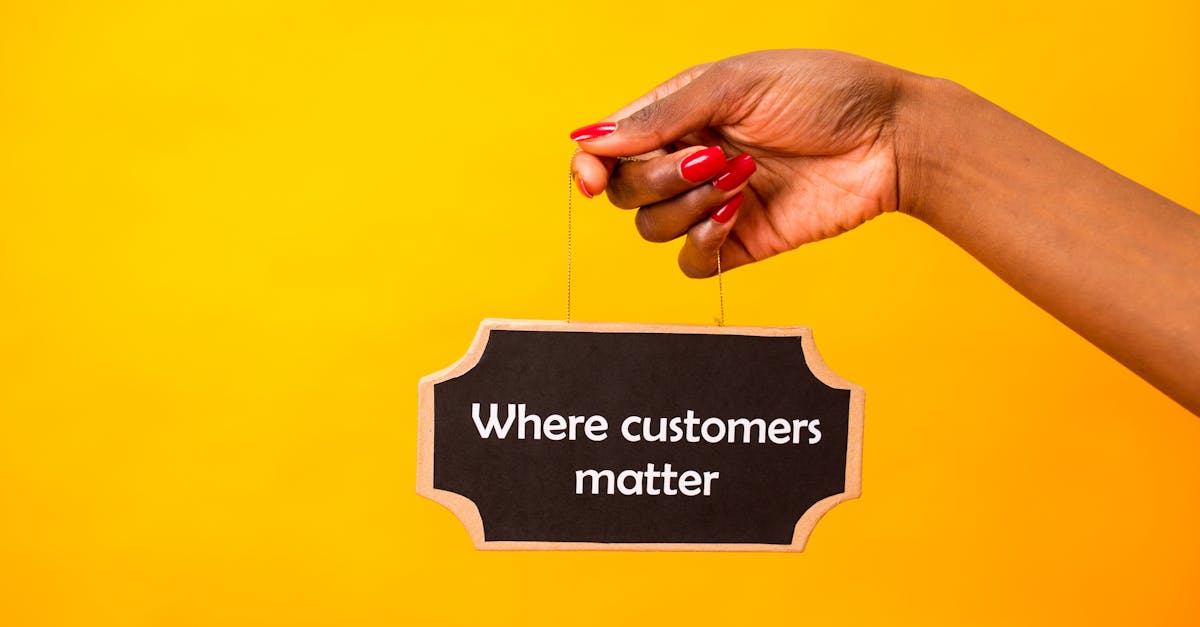
The Art of Human Connection in Digital Sales
Have you ever received a sales email that felt like it was written by a cold, calculating machine? You know the kind I mean. It starts with “Dear valued customer” and continues with a pitch so generic you could swap out the company name and send it to your grandmother without her noticing. In an era where inboxes are overflowing, being just another number is the fastest way to get your message sent straight to the trash folder. If you want to actually move the needle, you have to pivot toward humanizing your sales process.
Why Standard Automation Is Killing Your Conversion Rates
Automation tools are amazing for efficiency, but they are often the death knell of genuine interest. When we rely too heavily on templates, we lose the spark of personality that makes human beings want to engage with one another. It is like trying to make a friend by handing out pre-printed flyers on the street corner. Sure, people see your flyer, but they do not know, like, or trust you. Conversion is built on trust, and trust is built on the feeling that someone actually cares about your specific problems.
Understanding the Psychology Behind Personalization
Why do we respond to someone who uses our name or mentions our recent project? It triggers a psychological response called the cocktail party effect. Even in a noisy room, when you hear your name, your brain snaps to attention. By acknowledging the recipient as a unique individual, you are essentially telling their brain that your message is not just noise. It creates an immediate sense of relevance and psychological safety that allows the recipient to lower their guard.
Research Is Your Secret Weapon
If you are not doing your homework, you are not really personalizing; you are just guessing. Before you type a single word, spend five minutes looking at their LinkedIn, their recent blog posts, or company news. Look for a specific pain point or a shared interest. Did they just promote a new hire? Did they write a thoughtful article about industry trends? Mentioning these details shows that you have invested time in them, which shifts the power dynamic from a desperate salesperson to a thoughtful peer.
The Power of Mutual Connections
Nothing builds bridge faster than a warm introduction. If you share a mutual connection, lead with that. It acts as a social voucher. It tells the prospect that you are part of their circle, which instantly makes you less of a stranger and more of a potential partner. Always ask your mutual contact if you can mention them, as this keeps the professional integrity intact while opening doors that usually remain locked.
Avoiding the Uncanny Valley of Over Personalization
There is a fine line between helpful and creepy. If you mention that you saw their child on their public Instagram story, you have crossed it. Keep your research focused on professional endeavors or public thought leadership. Personalization should feel like a handshake, not an invasion of privacy. Stick to their professional challenges and goals to keep the relationship focused on business outcomes.
Structuring Your Message for Maximum Impact
Most sales emails are bloated. They try to fit a whole brochure into a single message. Instead, follow a simple three-part structure: the hook, the insight, and the clear call to action. Keep your paragraphs short. I am talking two sentences max. This makes your message look inviting and easy to digest on a mobile screen.
The Opening Hook: Why Your Subject Line Matters
The subject line is the gatekeeper. If it looks like a marketing blast, it will never be opened. Aim for curiosity or utility. Instead of “Check out our services,” try something like “Saw your post on Q4 growth” or “Quick question regarding your workflow.” It sounds like an internal email from a colleague, and that is exactly the vibe you want.
Delivering Value Before Asking for a Favor
The cardinal sin of sales is asking for a meeting in the very first sentence. Shift the mindset to giving. Share a piece of relevant content, an industry insight, or a tip that solves a minor problem they might have. If you can help them once for free, they will be much more likely to listen when you finally make your pitch.
The Importance of Tone and Voice
Stop writing like a corporation. Corporations do not have feelings, but you do. Use conversational language. If you would not say it to someone over a coffee, do not put it in an email. Use active verbs, avoid jargon that makes you sound like a thesaurus, and allow your natural enthusiasm for your product to shine through. Being human means being relatable.
Leveraging Video for a Personal Touch
If you really want to stand out, record a quick 30-second video. Seeing your face and hearing your voice changes the medium entirely. It proves that you are a real person who took the time to record something just for them. Tools like Loom or Vidyard make this incredibly easy. Just be sure to hold up a whiteboard with their name on it so they know it is not a pre-recorded generic video.
Timing Your Outreach for Success
Even the best message will fail if it arrives at the wrong time. If a company just went through a round of layoffs or just launched a new product, that is your window. Set Google Alerts for your target companies so you are notified the moment something happens. Being the first to reach out with a relevant, timely message puts you ahead of 90 percent of your competition.
Handling the Follow Up Without Being Annoying
Persistence is necessary, but nagging is fatal. If you do not hear back, do not send the classic “Just checking in” email. Instead, provide new value. Share a new article, a case study, or a follow-up thought that builds on your initial message. It shows that you are committed to the relationship, not just hunting for a quick signature on a contract.
Measuring Success Beyond Open Rates
Open rates are a vanity metric. What matters is the quality of the conversation. Did they reply? Did they ask for more information? Did they forward your email to a decision-maker? Focus on engagement metrics that signal a genuine interest in continuing the dialogue. If your emails are getting replies, you are doing something right.
Continuous Iteration and Testing
Never settle for the status quo. What works today might stop working tomorrow. A/B test your subject lines, your opening hooks, and your calls to action. Treat your outreach like a science experiment. Keep what works, discard what fails, and always stay curious about how you can be a better communicator.
At the end of the day, people buy from people. They do not buy from brands, and they certainly do not buy from automated robots. By slowing down to speed up, you can build a pipeline that is not just filled with leads, but with real human relationships. It takes more work, but the results are worth the effort.
FAQs
1. How much time should I spend researching a single lead?
Aim for about five to ten minutes. If you spend longer, you might experience diminishing returns, but spending less usually results in generic outreach that gets ignored.
2. Is it okay to use templates for personalization?
Templates are fine for the structure, but never for the content. Use a skeleton to organize your thoughts, but fill in the body with unique insights tailored to that specific person.
3. What if I am doing high-volume outreach?
If you must do high volume, segment your list. Create smaller groups of similar prospects and write one highly relevant message for each group rather than one giant email for everyone.
4. How many times should I follow up?
Three to five times is usually the sweet spot. Space them out over two to three weeks, and ensure each follow-up provides a new perspective or value.
5. Can I use AI to help with personalization?
Use AI to summarize articles or suggest angles, but always write the final version yourself. AI lacks the nuance and genuine emotion that true human connection requires.